Tactile product photography is the fastest way for a small brand to make a phone shot feel expensive. Instead of staging a whole room, you crop in tight on one product, let a single hard light rake across a surface, and let texture do the talking: beaded water, foil creases, knit ribs, and glossy highlights that almost feel wet through the screen.
These shots stop the scroll because they read as immediate and handmade rather than like a catalog grid. A thumb-sized detail gives a viewer something to almost touch, and that split-second of curiosity is often all you need to earn a tap.
Everything below is built for a phone, a bright light, and whatever surfaces you already have at home. No studio, no crew, no expensive lens. Just four repeatable looks and a shot brief you can copy before you start.
Why texture stops the scroll
A clean packshot answers a practical question: what does the product look like? A tactile close-up does something different. It creates a feeling before the brain reads any label. When a hard light hits one surface at an angle, a small object gains sharp edges and bright specular highlights, and a tight crop strips away the distracting room around it.
The trick is contrast between materials the eye already understands. Wet glass against dry stone, matte packaging against shiny foil, soft fabric under hard plastic. Your viewer has felt those things in real life, so the image feels touchable even on a screen. Drop these frames between wider lifestyle shots and a feed stops looking flat and starts looking curated.
The goal is not to show every feature. It is to make one material impossible to ignore for a beat longer than a viewer planned to look.
Four tactile looks to shoot on a phone
Each look below pairs one product with one surface and one light source. Shoot them as the opening frame of a Reel, a carousel cover, or the still beside a launch caption. Turn on your phone’s flash or point a single lamp from the side, then move the product a few inches until the highlight lands where you want it.
1. Wet-surface skincare
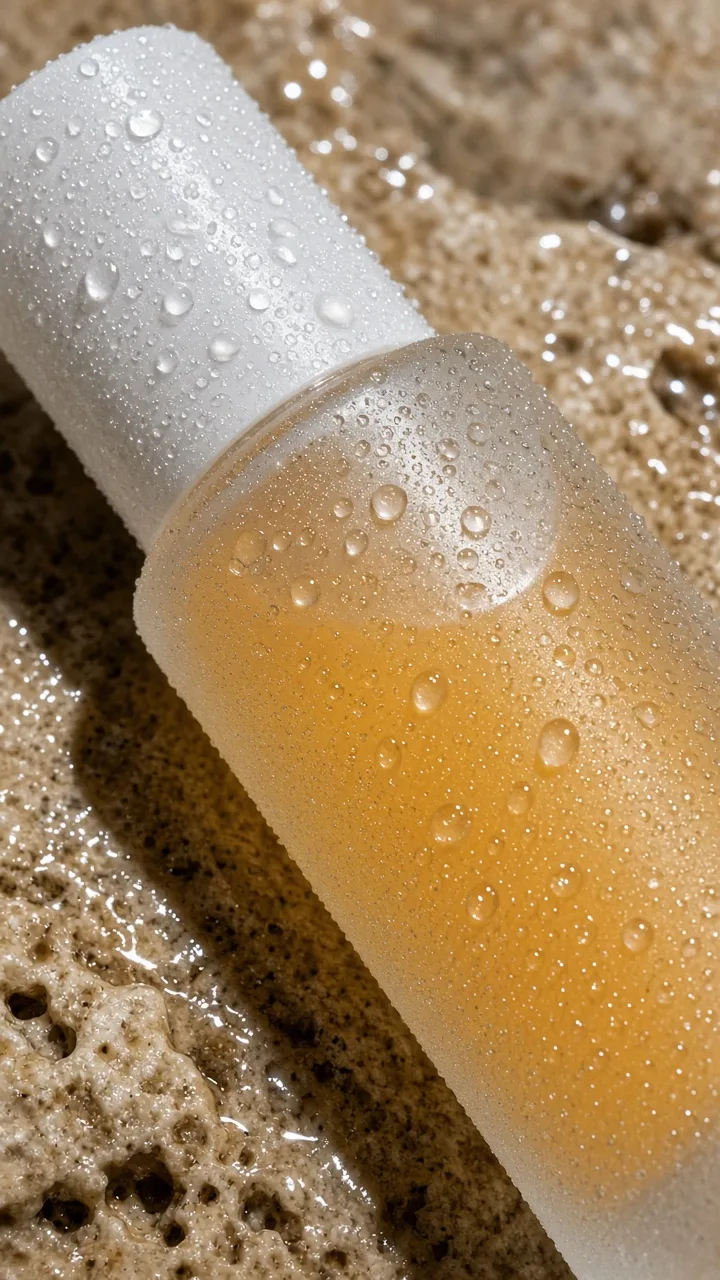
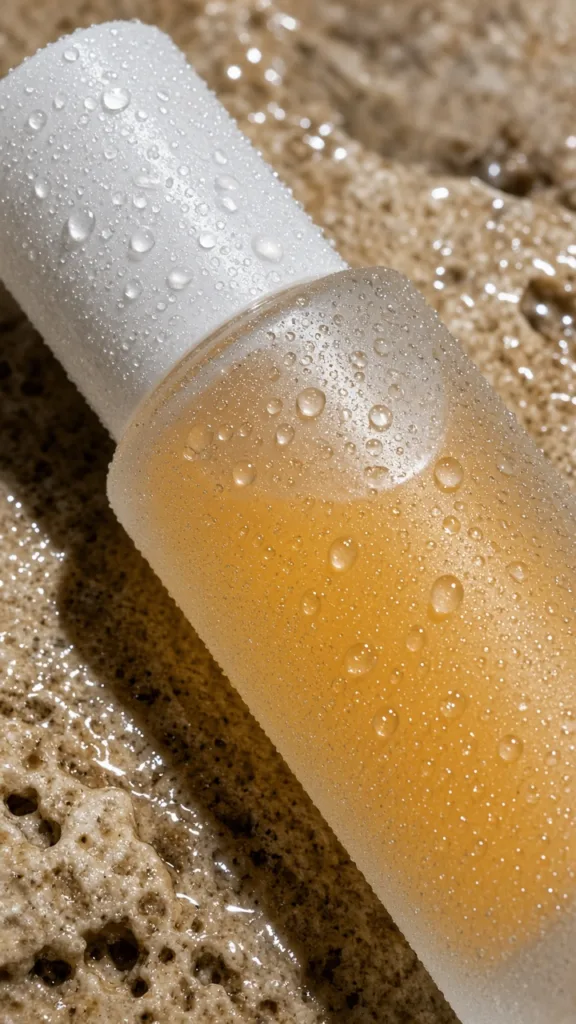
Set a frosted bottle or jar on travertine, glazed tile, glass, or a damp counter, then spritz it with a spray bottle so tiny water beads cling to the surface. One flash reflection is plenty. The contrast between matte packaging and shiny droplets makes the product look cool and fresh without tipping into a full spa scene. Leave a hard shadow in the frame on purpose; that dark edge gives the still weight and keeps it from looking like a generic stock photo.
2. Handheld gloss close-up
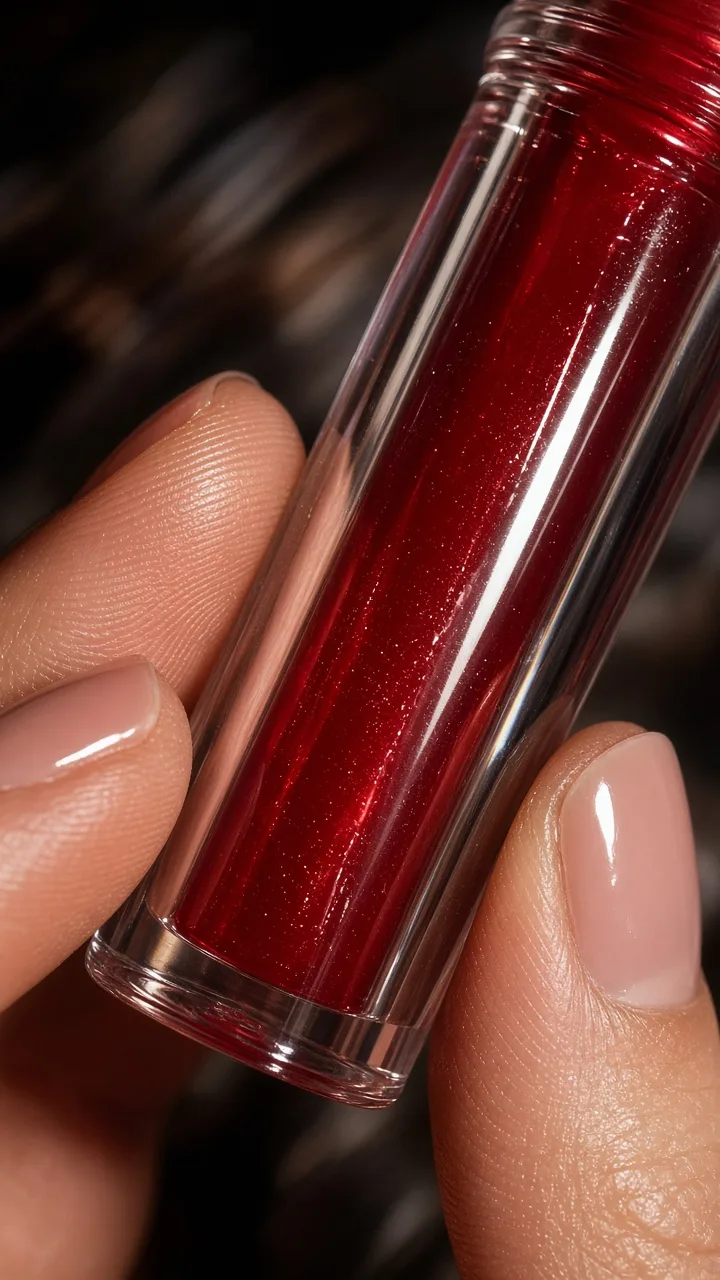
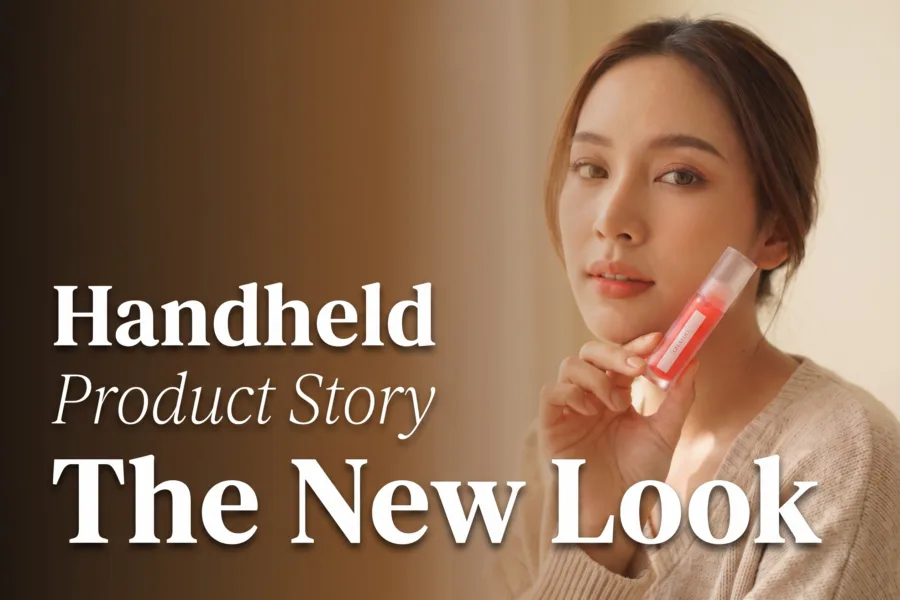
Hands add scale and a sense of motion, which is why a finger squeezing a tube or twisting a cap feels more alive than a product sitting alone. Crop in so only a fingertip or two is visible, then aim your light straight at the glossiest part of the product so it flares. This look suits makeup, nails, small accessories, and anything with a high-shine finish. Keep the background dark and simple so the touch, and the shine, stay the whole story.
3. Material-on-material contrast
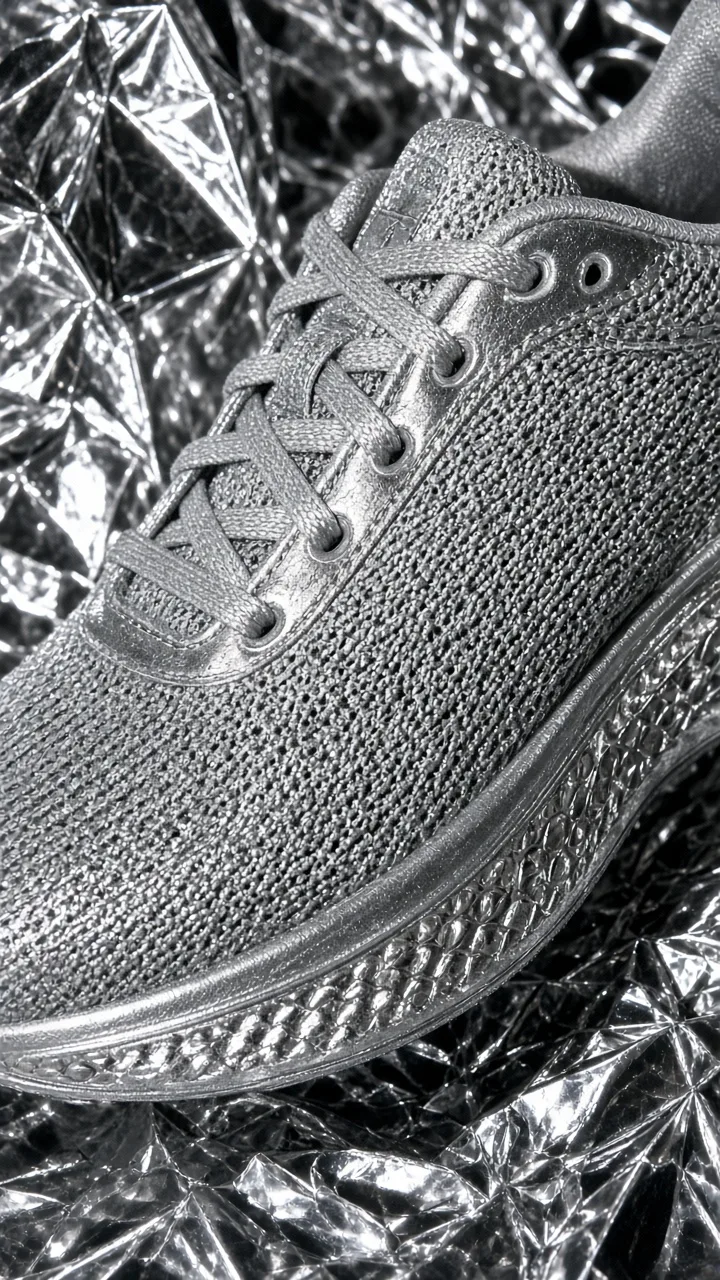
This is the most graphic of the four. Crumple a sheet of foil into peaks and valleys, then rest a metallic or glossy product on top so both surfaces bounce light in jagged, unpredictable ways. A hard side light multiplies the sparkle. It works for sneakers, hardware, jewelry, tech, or any object with a reflective face. Because the foil scatters so many highlights, keep the product itself clean and centered so the eye knows where to land after the initial dazzle.
4. Soft-texture tech
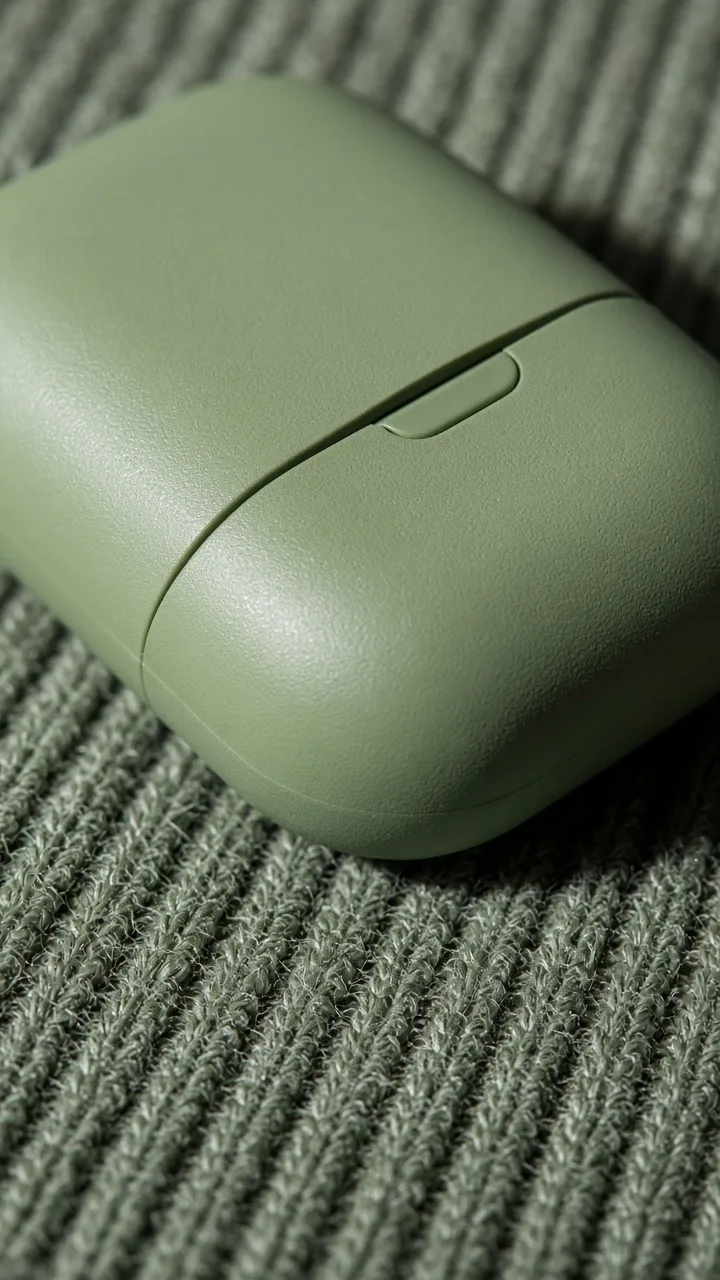
Hard products can feel cold, so give them something soft to sit in. Nestle earbuds, a small case, or a gadget into ribbed knit, chunky wool, or a folded sweater. The parallel lines of the ribbing pull the eye toward the smooth product in the middle, and the fabric’s warmth makes a piece of tech feel more human. Raking light across the knit exaggerates every groove, which sells the softness even though nobody can feel it.
Your phone-only tactile kit
You do not need a full set to make any of these. Before you shoot, run through this brief and gather the pieces. It travels in a shoebox and resets in seconds between takes.
- Light: your phone flash, one desk lamp, or one window with a card to block spill. Aim it from the side, not the front.
- Surfaces: a tile or stone offcut, a sheet of foil, a folded knit, and a plain dark board for backgrounds.
- Water: a small spray bottle for beading, plus a microfiber cloth to reset frosted packaging.
- Crop tools: your phone’s grid on, focus locked with a tap-and-hold, exposure pulled down until the highlight stops blowing out.
- Steady: a mini tripod or a stack of books so the tight crop stays sharp.
Once a still is landing, it is a short jump to motion. A slow pan across the same wet bottle or a finger lifting off a glossy cap turns one detail into a three-second hook. If you want to go straight to video, our team built Prodvid, an iOS app for product video ads, to turn these same textures into short clips from your phone. For a deeper walkthrough on using hands and movement, see our guide to handheld product story phone ads.
Key takeaways
- Pick one product, one surface, and one hard light; texture, not staging, is what stops the scroll.
- Crop tight and leave a hard shadow so the frame reads handmade instead of like a catalog packshot.
- Contrast materials the eye already knows: wet on dry, shiny on matte, hard on soft.
- Lock focus and pull exposure down so a single specular highlight stays crisp on a phone.
- Treat the best still as a starting point and extend it into a short motion hook.