Viral product ad 2026 is a creator-style product video that feels native to the feed while keeping the item, use case, and reason to care unmistakably clear. This guide is for small brands and sellers who want to build that look with a phone, an ordinary room, and a repeatable shot plan.
The most believable version uses one familiar setting, one visible product action, and one conversational claim. Show the item immediately, let a hand or person create scale, and keep small signs of real life in frame. The goal is controlled informality: clear enough to sell, ordinary enough to trust.
You will leave with three practical looks, a seven-shot script, and a quality checklist you can use before posting.
Why does the viral product ad 2026 look work?
It works because the setting supplies context before the pitch begins. A serum beside a sink suggests a morning routine. A snack on a kitchen table suggests an everyday break. A travel accessory beside an open bag suggests a problem being solved. Viewers do not need a polished set to understand the story.
Informal does not mean careless. The product should remain sharp, the key action should be easy to follow, and the spoken claim should be supportable. Keep the background believable but remove anything that steals attention, exposes private information, or conflicts with your brand.
According to TikTok (2026), 71% of users prefer brand posts that do not feel too polished. Treat that statistic as a creative direction, not permission to publish a dim, confusing clip: preserve natural texture while protecting product clarity.
According to TikTok (2026), 90% of ad-recall impact is captured within the first six seconds. That makes the opening product action more useful than a long introduction. Start with the twist, pour, reveal, fit, or before-state.
3 UGC-style viral product ad looks to try
1. Bathroom-counter routine
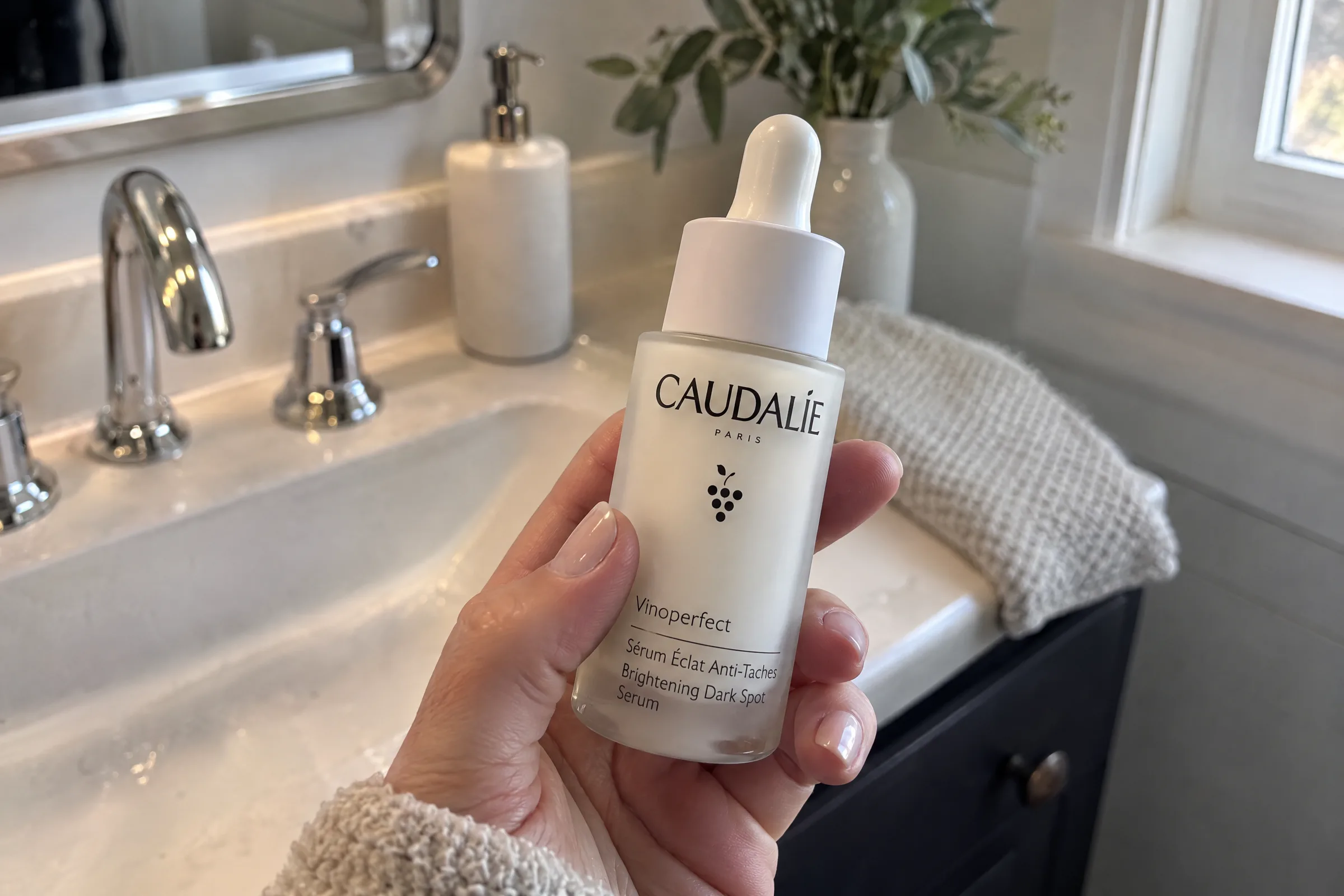
Use this look for skincare, hair care, grooming tools, oral care, or any item tied to a repeated habit. Place the product near a sink or mirror, then show one small action: remove the cap, dispense a drop, run the tool under water, or return it to its place.
Shoot toward soft window light and avoid showing the phone in the mirror. A few everyday objects can stay, but clear away medicine labels, addresses, and reflective clutter. Open with the action rather than a wide room shot.
2. Kitchen-table unboxing
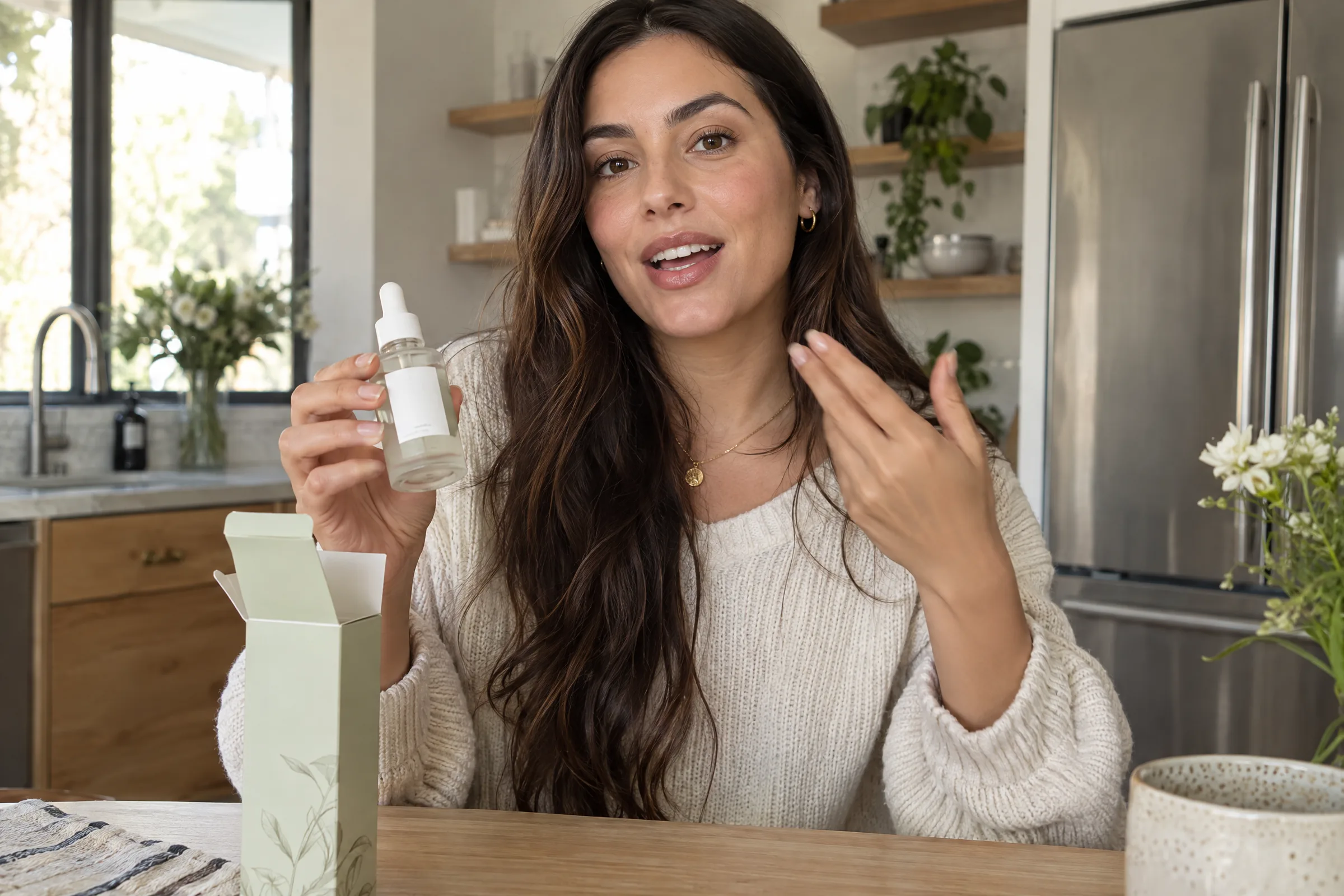
This frame suits launches, bundles, gifts, food, home goods, and products whose packaging is part of the experience. Keep the box already loosened so the reveal happens quickly. Film the seal, texture, contents, and one useful detail instead of documenting every flap.
Use a chair, mug, or folded cloth as quiet evidence of a lived-in space. The scene should look inhabited, not dirty. If the tabletop color competes with the product, place a plain cutting board or sheet of neutral paper underneath.
3. Imperfect mirror check
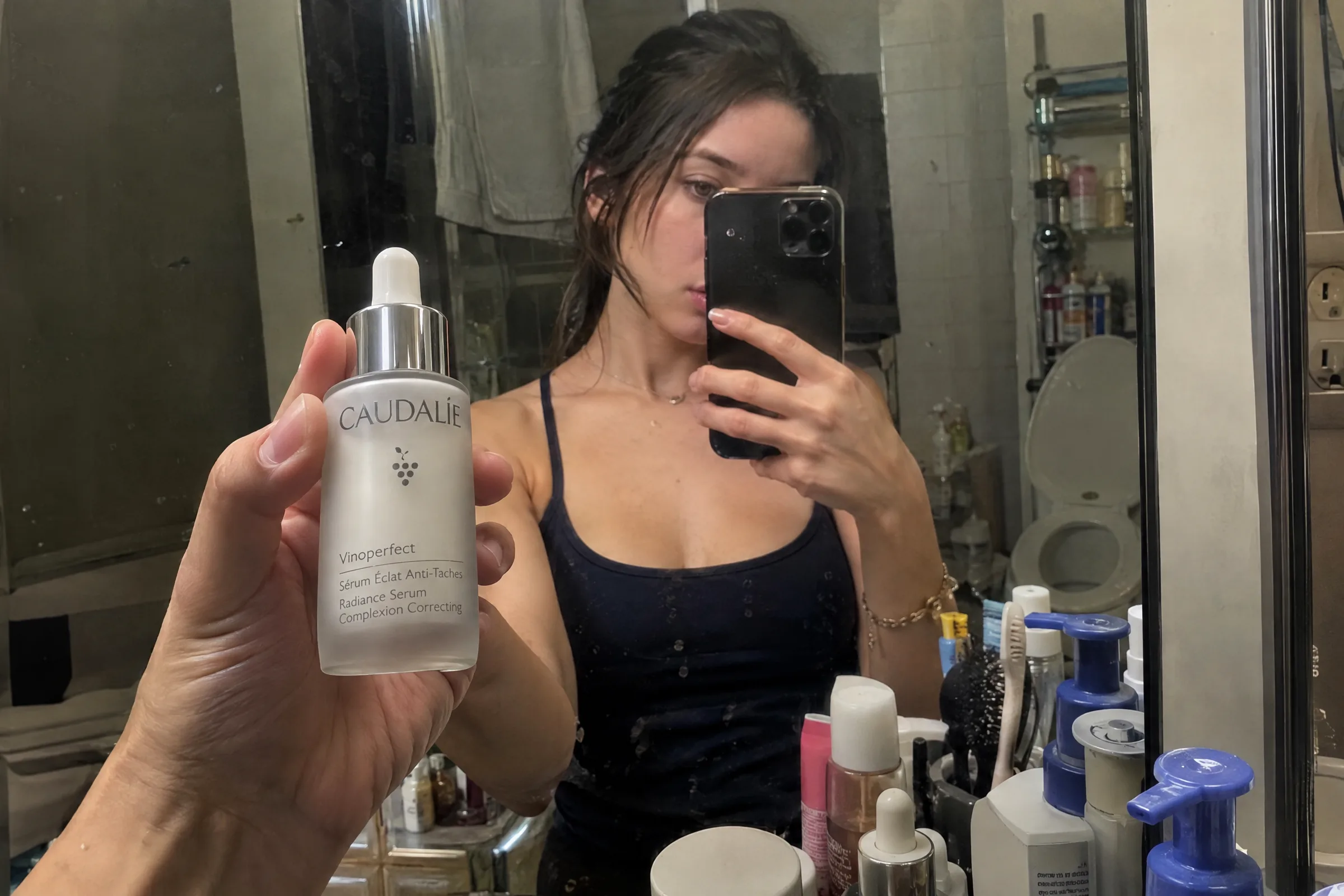
Use a mirror check for apparel, accessories, beauty, or small daily-use products that benefit from human scale. Stand slightly off-center, keep the product close enough to recognize, and make one simple movement such as lifting a bag, fastening an earring, or holding a bottle beside the face.
Mirrors multiply distractions, so check every edge before recording. Clean the glass, hide personal documents, and lock focus on the product. A believable background can be imperfect; the product silhouette and action cannot be ambiguous.
How do you shoot a UGC-style product ad on a phone?
Build the video around one promise and one physical proof. A seller can record the complete sequence in seven short clips, then choose the cleanest take from each. Keep the phone vertical when the main destination is a short-form feed, stabilize it against a shelf or small tripod, and use the rear camera when practical.
- Write the promise. Finish this sentence: “This helps me ___ without ___.” Remove any claim you cannot demonstrate or substantiate.
- Choose a real setting. Pick the room where the product would naturally be opened, used, worn, or stored.
- Prepare the frame. Face a window, clean the lens, and remove only the most distracting objects.
- Record the hook. Put the product or problem in the first shot. Use a close-up action instead of a greeting.
- Capture proof. Film texture, fit, scale, assembly, or the part that answers the buyer’s likely question.
- Add a human beat. Include a hand, reaction, or point-of-view movement so the item does not feel isolated.
- Review without sound. Confirm that the order still makes sense and the product stays recognizable.
If you have one clean product photo but need a creator-style starting point, you can make a UGC creator product video in Prodvid, our iOS app, then review every generated frame and claim before publishing.
For a broader capture plan, pair this sequence with our 12-clip product video shot list. If the opening still feels slow, use one of these product video hook patterns without copying another brand’s wording.
Copy this seven-shot product ad script
Keep each clip focused on one job. You can use the lines as voiceover, spoken dialogue, or planning notes. Replace the brackets with truthful product details.
- Hook: “I kept dealing with [specific everyday problem].” Show the problem or product immediately.
- Reveal: “This is the [product type] I started using.” Bring it close to the lens.
- Action: Show one motion: open, pour, attach, wear, switch on, or place.
- Detail: “The useful part is [specific feature].” Film the feature instead of merely naming it.
- Context: “I use it when [real situation].” Widen the frame enough to show the room or routine.
- Objection: Answer one likely question about size, setup, material, care, or compatibility.
- Close: Restate the use case in one sentence and end on a clean product view.
Pre-publish checklist
- The product appears in the opening shot.
- One action proves the main point.
- The setting looks real but not distracting.
- Every spoken or written claim is accurate and supportable.
- Reflections reveal no private information or filming gear.
- Music and creator footage are cleared for the intended use.
- The final frame is sharp enough to recognize the item.
FAQ
What makes a product ad look like UGC?
A UGC-style product ad uses creator-like framing, everyday settings, direct speech, and visible product handling. It should resemble a useful recommendation rather than a studio commercial, but the brand still needs permission for footage and truthful claims. “Casual” describes the visual language; it does not remove advertising responsibilities.
Does a viral product ad need a creator on camera?
No. Hands, point-of-view shots, and a spoken voiceover can create a personal perspective without showing a face. Choose the least complicated human cue that clarifies scale or use. A face can help with reaction and fit, but it should not replace a clear product demonstration.
How long should a UGC-style product ad be?
Make it only as long as needed to deliver one promise, one proof point, and one close. Record the seven-shot plan, then remove repeated beats and pauses. Platform limits change, so check the destination’s current specifications before exporting rather than designing around a universal duration.
Should the room look messy or polished?
A room should look recognizable and controlled, not deliberately messy. Keep a few objects that explain the routine, then remove visual noise, personal data, and competing labels. The viewer should notice the context in a glance and the product for the rest of the shot.
Key takeaways
- A believable viral product ad combines an ordinary setting with a clear product action.
- Show the product immediately and use the opening seconds for motion or proof.
- Keep signs of real life, but remove distractions and privacy risks.
- Plan one promise, one proof point, and one objection before recording.
- Review creator-style and AI-assisted footage frame by frame before publishing.
Sources
- TikTok Creative Center: Five creative tips (accessed October 2026).
- TikTok for Business: Creative best practices for top-performing ads (accessed October 2026).