Glass reflection product look is one of the fastest ways to make a phone-shot product ad feel like it came from a real studio. You put your product on a shiny surface, catch a clean mirror line underneath it, and suddenly a plain bottle or tin reads as premium. No prop budget, no set designer, no second location.
For small brands, that shortcut matters. You are usually shooting on a kitchen counter between other jobs, and you need something that stops the scroll without looking cheap or busy. A single reflection does a lot of quiet work here.
Below are four concrete setups you can copy this week, each built around a different product category so you can see how the same trick bends to fit what you sell.
Why the reflection trick works on a phone
A reflection gives the eye a second copy of your product to read. That extra shape adds depth to the frame without adding clutter, so the shot feels considered even when the background is empty. On a small phone screen, that clarity is exactly what wins attention.
It also flatters cheap gear. Phone cameras struggle with fussy sets and mixed light, but they handle one product, one surface, and one strong highlight really well. Keeping the scene simple plays to the phone’s strengths instead of exposing its limits.
The rule that ties every version together: the product stays the hero. The reflection supports it, it never competes. If people notice the mirror trick before they notice what you sell, you have overcooked it.
Four setups to copy
Each setup keeps the surface glossy and the composition tight. Swap in your own product and the same lighting logic still holds.
1. Skincare bottle on a clear glass block
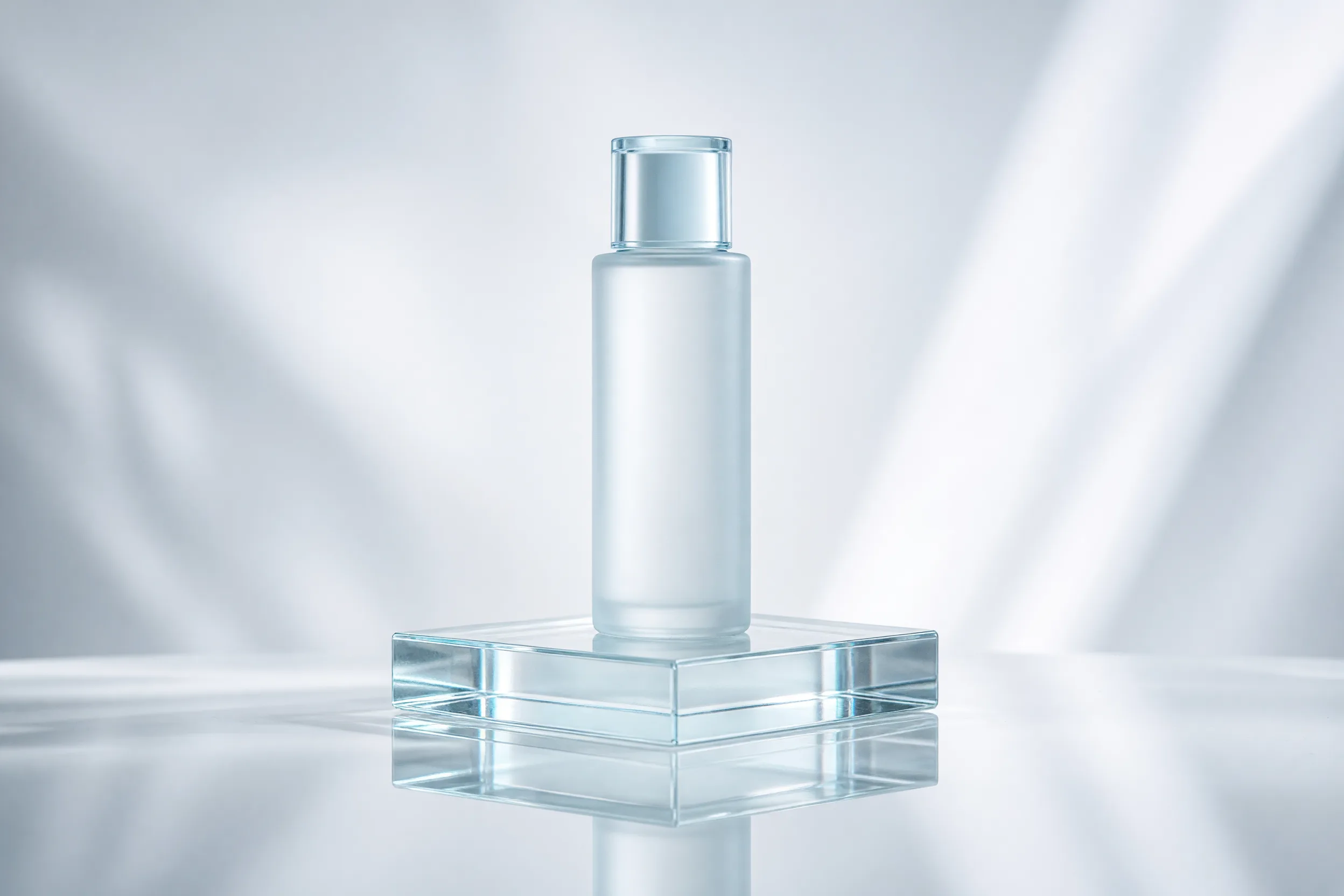
Stand the bottle on a small glass block or a sheet of acrylic and light it with cool, soft daylight from one side. Position the bottle high on the surface so the reflection sits neat and deliberate beneath it. This is the calmest of the four looks, which is why it suits beauty and wellness: it signals clean and trustworthy without a single prop.
2. Sneaker on a glossy black surface
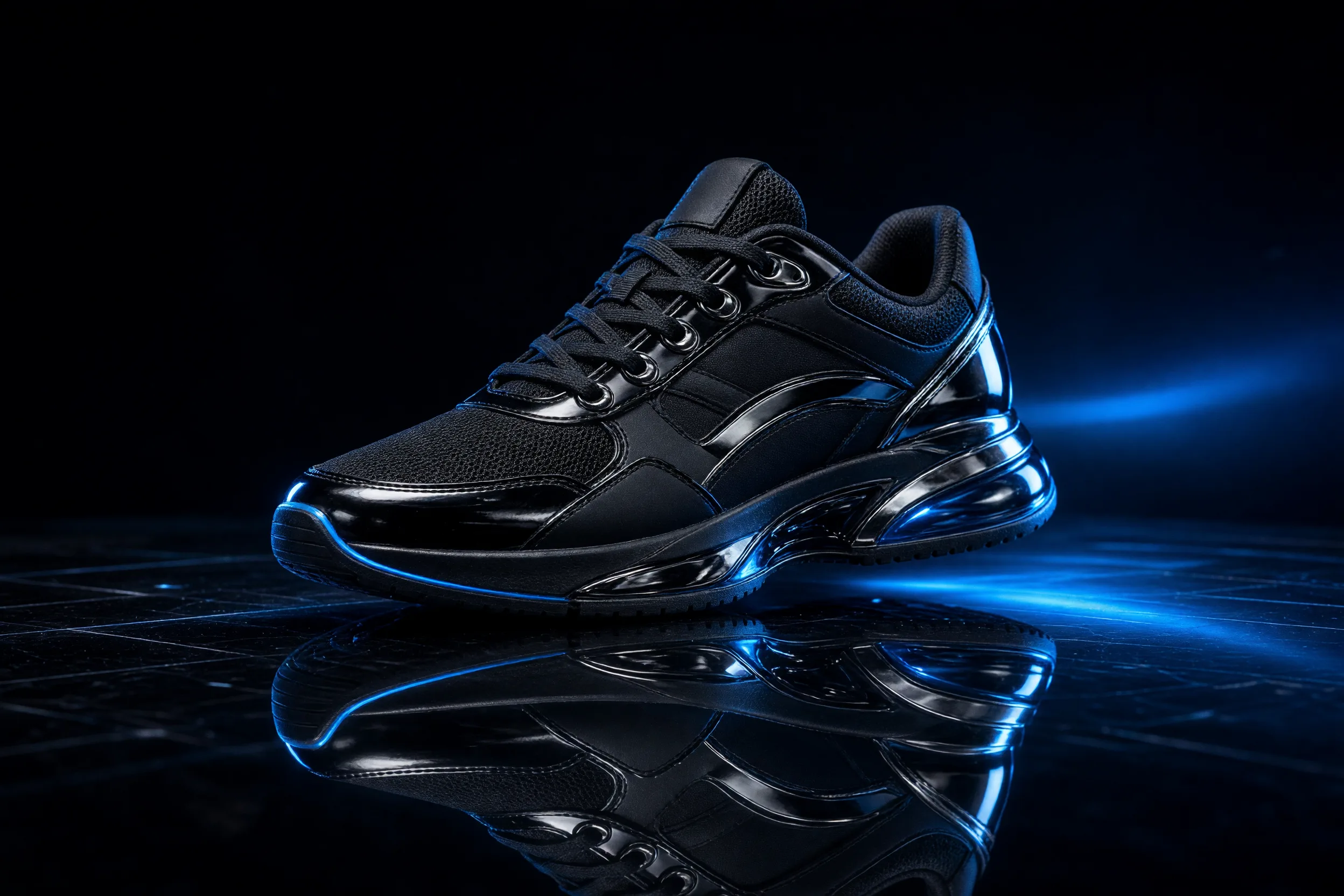
Heavier products want more drama. Set the sneaker on a glossy black tile or a piece of dark plexi, then add a strip of colored light along one edge to trace its shape. The dark surface deepens the reflection and the neon rim gives the whole frame a nightlife, campaign-ad mood. Great for streetwear, tech, and anything that wants attitude over softness.
3. Coffee tin on layered amber glass
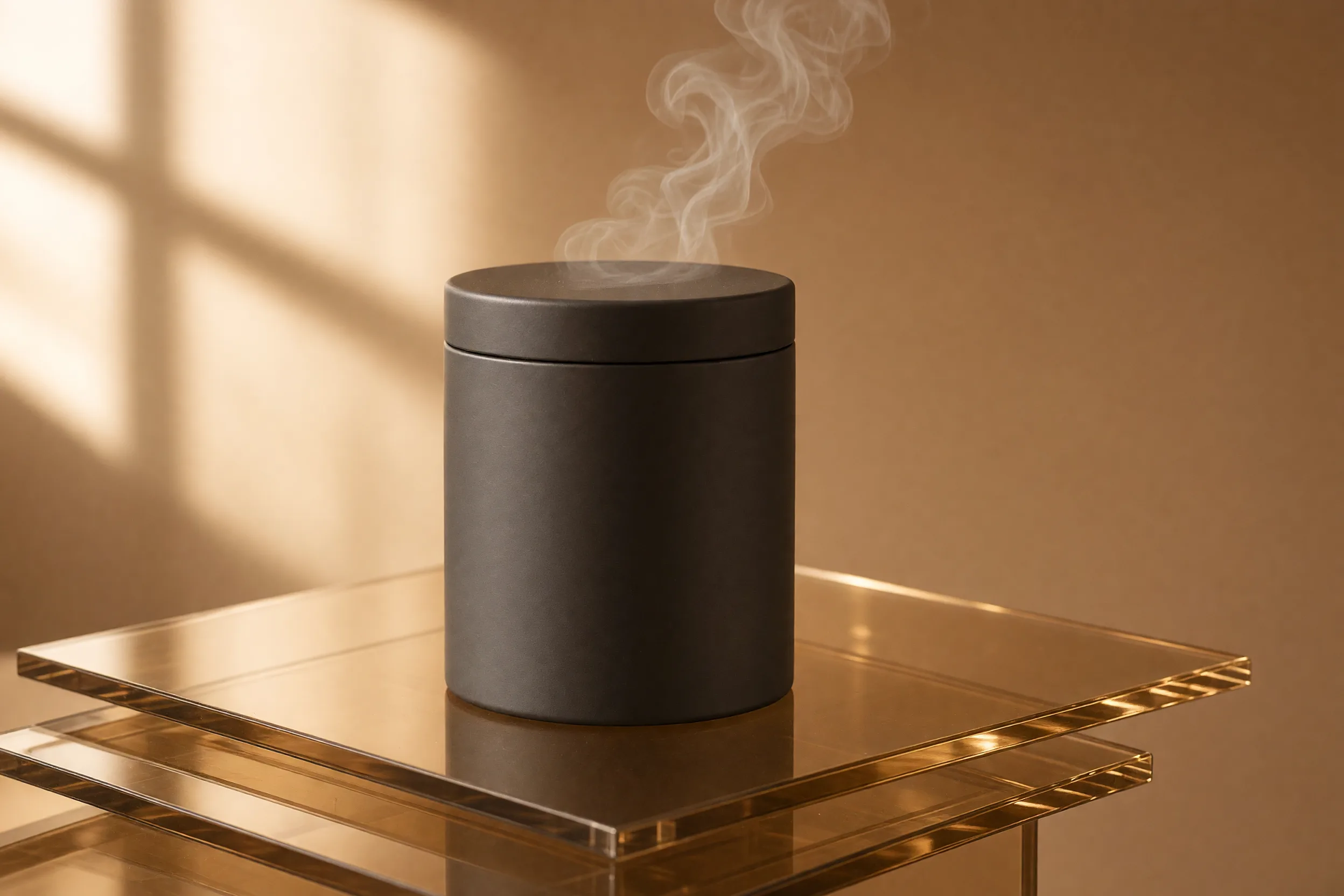
Warm it up for food and drink. Layer a couple of tinted or amber glass sheets under the tin and light it with a warm bulb or golden-hour window light. The stacked panels bounce color back into the product, so a basic tin looks cozy and full-bodied. The reflection here is softer and more atmospheric than the skincare version, which is the point.
4. Perfume bottle on mirrored glass with colored gel
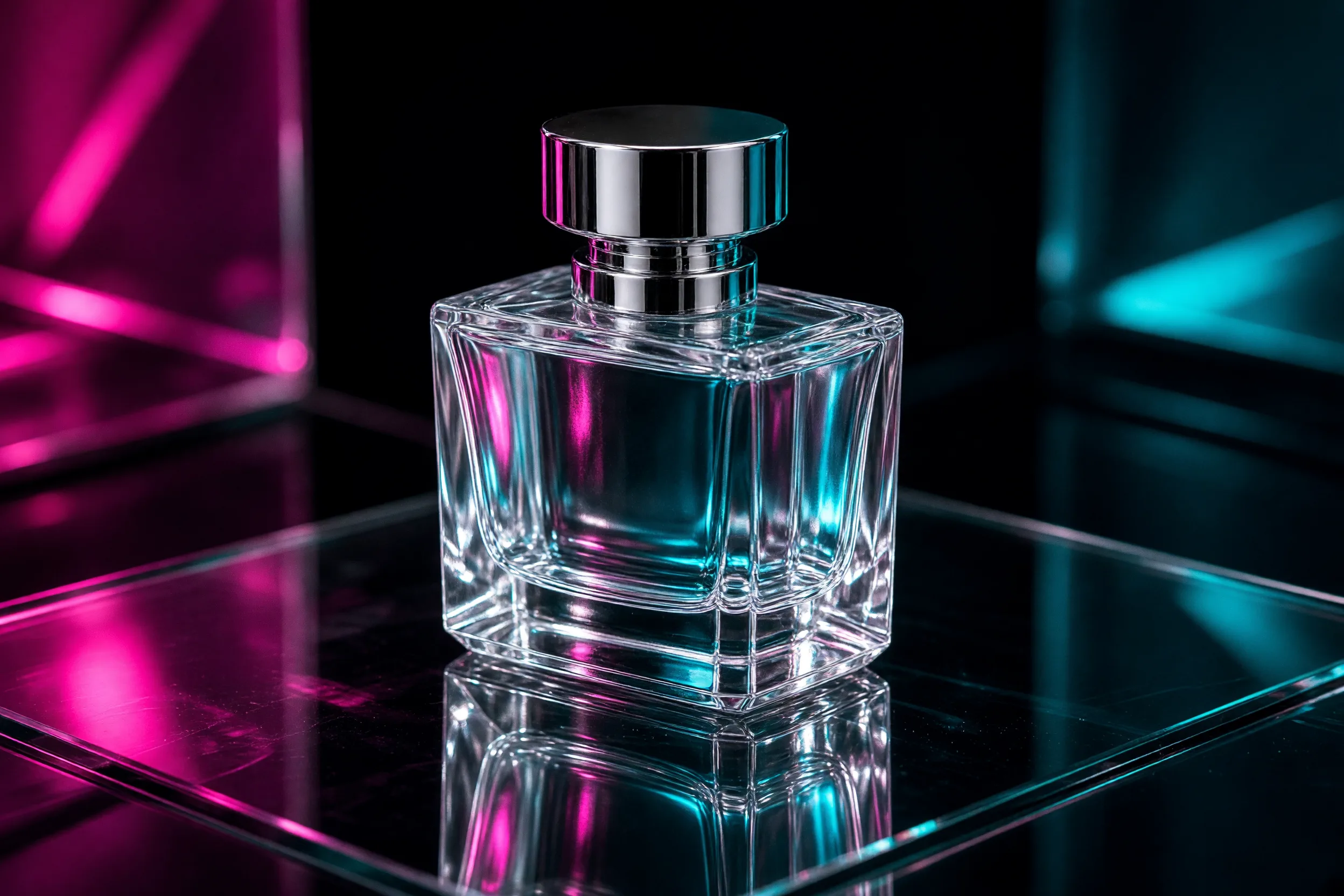
This is the showpiece. Place a transparent bottle on a true mirror and drop a colored gel over your light to tint the highlights. Because the base is fully reflective, you get layered reflections that read as high-end and editorial. Keep the angle low so the reflection stretches toward the camera and the liquid catches the color.
A copyable phone shot brief
Print this or paste it into your notes app before you shoot. It works for all four looks.
- Surface: one glossy or mirrored base (glass block, dark tile, amber sheets, or a mirror).
- Light: a single source, soft and off to one side. Add a colored gel or rim strip only if the look calls for it.
- Angle: shoot low and level so the reflection runs toward the viewer.
- Placement: product sits high on the surface, reflection clean underneath.
- Background: plain and darker than the product so edges pop.
- Phone settings: lock focus and exposure on the product, wipe the lens, turn the flash off.
- Frames: shoot one wide, one tight, and one slightly overhead so you have options for cropping.
If you want to turn these stills into short video ads, our team built Prodvid, an iOS app for AI product video ads (full disclosure: it is ours), which animates a clean product frame into a scrollable clip.
Common mistakes to avoid
The reflection look fails in predictable ways, and all of them are easy to fix once you know to watch for them.
- Dirty glass. Every smudge and dust speck doubles in the reflection. Wipe the surface between takes.
- Too many lights. Mixed sources create competing reflections and muddy the mirror line. Stick to one main light.
- A busy background. If the reflection picks up your kitchen, the premium feel is gone. Keep it plain and dark.
- Overpowering color. A gel should tint, not flood. Pull it back until the product color still reads true.
For a related studio technique that also leans on controlled light and reflection, see our guide to the prism packshot effect for phone ads.
Key takeaways
- The glass reflection product look adds depth and a premium feel with almost no budget.
- One surface, one light, one clean angle beats any busy set on a phone.
- Match the surface and light to the category: cool and clean for beauty, dark and neon for footwear, warm for food, mirrored gels for fragrance.
- Keep the product the hero and the reflection a supporting player.
- Wipe the glass, kill extra lights, and simplify the background before every take.